


Your AC is running, but the house still feels warm. Or the furnace cycles on and off all evening without ever making the living room comfortable. When your HVAC system isn’t keeping up, it’s not always clear which part is to blame.
In most cases, the problem traces back to the thermostat, the ductwork, or the HVAC unit itself. Each one tends to cause a slightly different set of symptoms. Knowing what to look for can help you check the simple things first and describe the problem clearly when you call for service.
When the Thermostat May Be the Problem
The thermostat tells your heating and cooling system when to turn on and off. If it isn’t reading the temperature correctly or sending the right signal, the rest of the system can’t respond the way it should. Thermostat problems can make it seem like the main unit is failing when the fix is much simpler.
- Temperature readings that don’t match the room
- Short cycling, or frequent on-and-off runs
- A blank or unresponsive screen
- Delayed response to setting changes
- A system that doesn’t turn on when it should
Before calling for help, make sure the thermostat is set to the right mode and temperature. If it runs on batteries, try replacing them. It’s also worth looking at where the thermostat is mounted.
Direct sunlight, a nearby lamp, or a draft from a door or window can throw off its readings. A thermostat in one of these spots may run the system too much or too little.
When the Ductwork May Be the Problem
Your ductwork carries heated and cooled air to every room. Even when the equipment is working well, ductwork problems can keep that air from reaching the rooms that need it. Leaks, blockages, and disconnected sections can send conditioned air into the attic, crawl space, or walls instead of your living areas.
Ductwork affects how air moves through your home, so the symptoms usually show up in specific rooms. Air lost through leaky ducts can also push your energy bills higher.
- Weak airflow from some vents
- Hot and cold spots
- Rooms that collect more dust than usual
- Rattling or whistling vents
- Rooms that never reach the thermostat setting
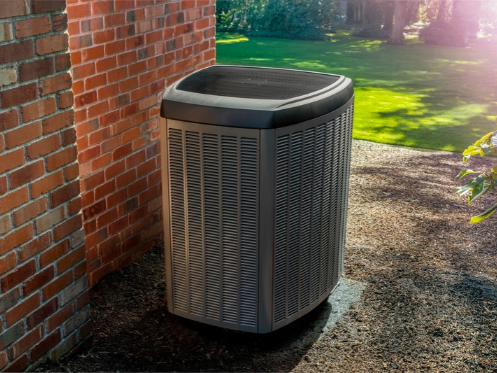
When the HVAC Equipment May Be the Problem
If the thermostat checks out and airflow seems normal, the issue may be with the equipment itself. Your furnace and air conditioner rely on motors, electrical parts, and other components that wear over time. Problems here are usually more involved and call for a professional. Older systems are also more likely to show these signs as parts wear out.
For example, an air conditioning system that blows warm air in cooling mode may have a refrigerant leak or compressor problem. A furnace that struggles to produce heat may have an igniter or gas supply issue.
- Constant running without enough heating or cooling
- Grinding, squealing, or banging noises
- Water leaking or pooling near the unit
- Frequent breaker trips
- Trouble starting or unexpected shutdowns
Why These Problems Can Feel Similar
One of the biggest challenges in HVAC troubleshooting is that the symptoms overlap. A thermostat that misreads the temperature can keep the system running constantly, and so can a refrigerant leak. Leaky ducts can create hot and cold spots, but so can a blower that isn’t moving enough air.
Any of these issues can lead to poor comfort, inconsistent temperatures, and higher energy bills. Central New Jersey’s humid summers and cold winters keep your system busy for much of the year, so small problems tend to show up quickly.
When to Call an HVAC Professional
Checking thermostat settings and making sure vents aren’t blocked are simple steps you can take on your own. Most HVAC troubleshooting beyond that should be left to a trained technician. Heating and cooling systems contain high-voltage parts and refrigerant, and repairs without the right training can be dangerous. If you’re not sure whether something is normal, our HVAC FAQs cover many common questions.
If the problem continues after your basic checks, or you notice signs of equipment trouble, it’s time to call a professional. A technician can find the actual cause so you don’t end up paying for the wrong repair. Sharing what you’ve seen and when it happens can help the technician narrow it down faster.
Get the Right HVAC Problem Diagnosed
When your system isn’t heating, cooling, or moving air the way it should, guessing at the cause can cost you time and money. An accurate diagnosis points you toward the right fix. Our team at Delco Heating & Cooling can trace the problem back to its source, whether it’s the thermostat, the ductwork, or the unit itself.
For HVAC troubleshooting and repair in Central New Jersey, contact us to schedule a service visit. We’ll help get your home comfortable again.
